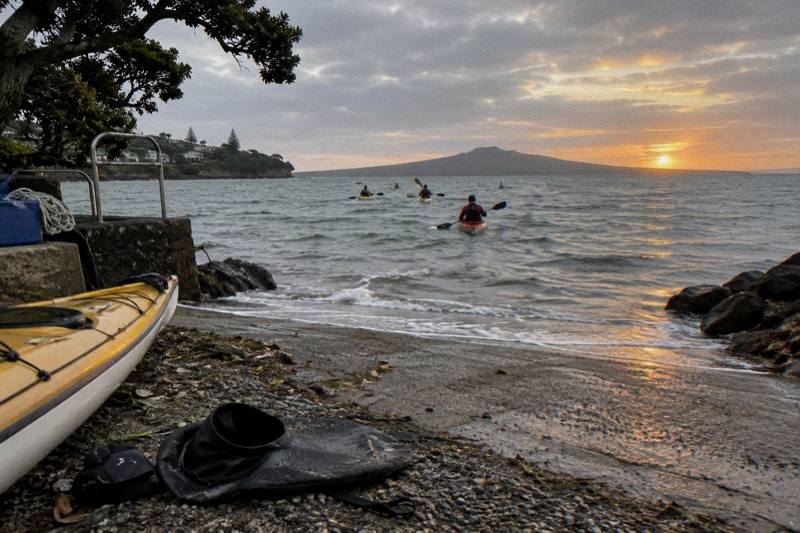
Rangitoto Kayak Vs Ferry: Two Ways To Reach The Island
One option is a 25-minute boat ride and a walk; the other is a 6.5-hour guided paddle with a summit hike and a BBQ on the island. Here is how the Rangitoto kayak and the ferry actually compare.
Short answer
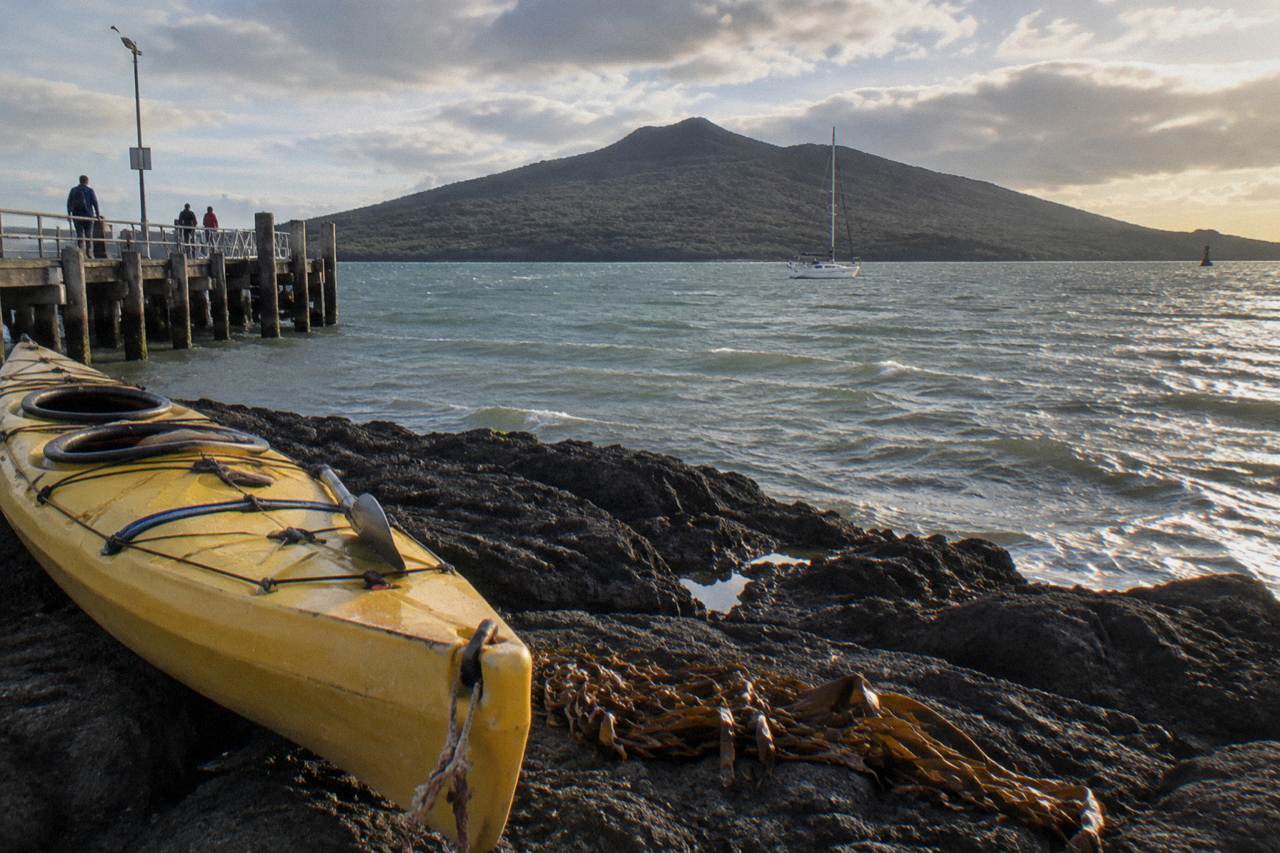
The ferry reaches Rangitoto from Queens Wharf and costs the least. Guided kayak tours run 6 hours 30 minutes total, from $139.16 per person, and include a guide, gear, a summit walk and a BBQ meal. The ferry suits a quick island visit; the kayak tour is the fuller day out.
Rangitoto emerged from the sea just 600 years ago, which makes it the youngest volcano in New Zealand and the most conspicuous thing on Auckland's horizon. Two practical ways exist for a visitor to stand on it. The public ferry crosses from the downtown wharves in minutes. A small number of guided kayak tours paddle out from St Heliers, land on the island, walk to the summit and paddle back. They are not variations of the same trip; they are different days entirely, with different prices, durations and physical demands.
This comparison lays out what each option gives, using the tour details published by the operators here and the island facts from the Department of Conservation. It avoids the one thing a reader most wants but no honest page can supply, a promise of calm water or a red sky. Sea state decides comfort on the paddle, and the volcano decides the view.
What Is The Difference Between The Rangitoto Kayak And The Ferry?
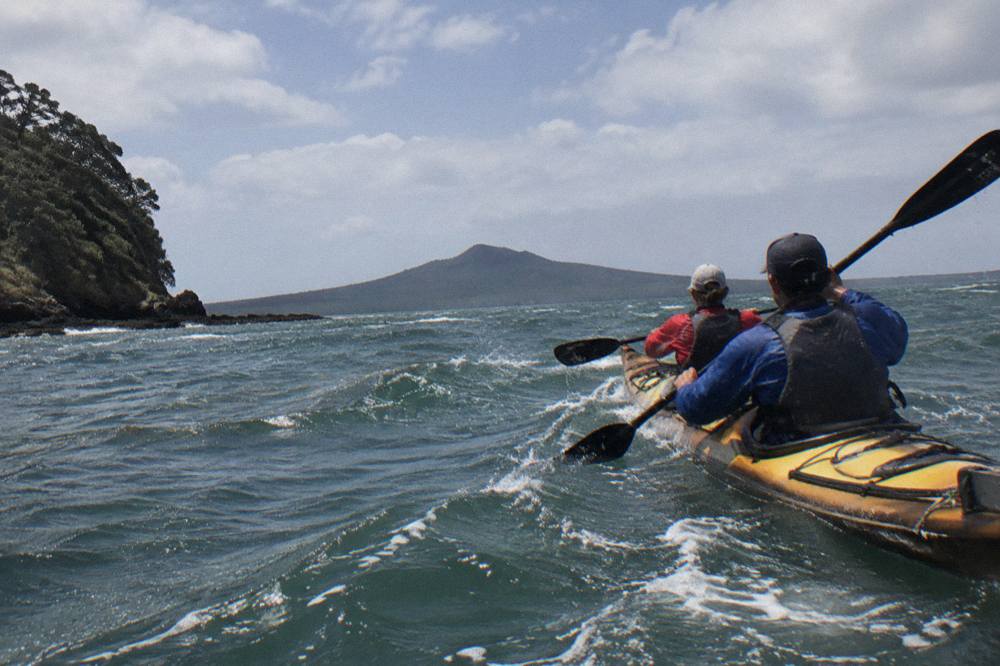
The ferry is transport only: a scheduled boat ride to Rangitoto Wharf, after which you walk the island on your own. A guided kayak tour is a full guided excursion, 6 hours 30 minutes door to dock, that bundles the paddle, a guide, all kayaking gear, a summit walk and a catered BBQ meal into one price from $139.16 per person. One sells you a crossing; the other sells you a day.
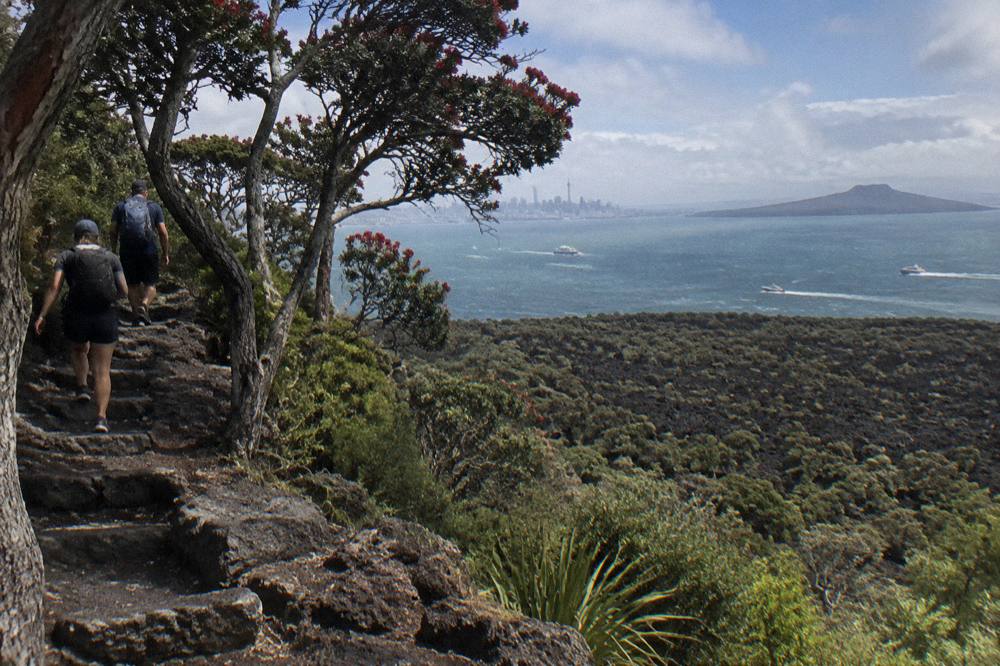
The Department of Conservation runs the island and confirms the ferry basics: Rangitoto is reachable only by ferry, boat or kayak, with the public ferry taking 25 minutes from Queens Wharf and 20 minutes from Devonport. Once you step off at Rangitoto Wharf you are on your own schedule, walking the Summit Track without a guide, buying nothing because there are no shops on the island. The DOC Rangitoto Island page covers the wharves, the walking tracks and the island rules in full.
The kayak side works differently. Two guided tours from Auckland Sea Kayaks, a sunset departure and a daytime departure, each run 6 hours 30 minutes, carry a maximum of 8 guests, use double sea kayaks and include the guided summit walk. The sunset version is rated 4.9 across 179 reviews and includes a BBQ dinner and a hot drink; the day version is rated 4.9 across 83 reviews and includes a BBQ lunch. Both list a minimum age of 14 and a weight limit of 120 kg. A third option, the Motukorea half-day to neighbouring Browns Island, is a shorter 4-hour volcano paddle rated 5.0 across 38 reviews, covered in the guide to the Browns Island Motukorea kayak tour.
The table below sets the two Rangitoto kayak departures side by side with their shorter sibling, using only the published figures for each. It is the fastest way to see that the price is identical and the difference is entirely in the timing and the meal.
| Tour | Operator | Rating | Total duration | Kayak type | Group max | Min age |
|---|---|---|---|---|---|---|
| Sunset kayak tour to Rangitoto Island | Auckland Sea Kayaks | 4.9 from 179 reviews | 6 hours 30 minutes | Double | 8 | 14 |
| Auckland: Day Sea Kayak Tour of Rangitoto Island | Auckland Sea Kayaks | 4.9 from 83 reviews | 6 hours 30 minutes | Double | 8 | 14 |
| Auckland Volcano - Motukorea / Browns Island Sea Kayak Tour | Auckland Sea Kayaks | 5.0 from 38 reviews | 4 hours | Double | 8 | 12 |
There is also a middle path that is neither of these: walking the island independently after paddling there yourself. DOC is blunt about that one. The department describes Rangitoto as accessible to experienced kayakers, and the guided tours exist precisely because the open-water crossing is not a casual paddle. That distinction, more than price, is what separates the two choices in this comparison.
The sunset and day tours are the two ways to reach Rangitoto itself under a guide. The night paddle is the alternative for someone who realises, reading the durations, that a 6.5-hour volcano day is more than they want, and would rather spend 1.5 to 2 hours on the water closer to home.
How Long Does Each Option Take From Auckland?
The ferry crossing is quick, but the island visit is yours to shape once you step ashore. The guided kayak tours run to a fixed 6 hours 30 minutes, including the paddle out, the summit walk and the return to St Heliers, with about an hour and a half on the water each way. The Motukorea alternative runs 4 hours.
The time comparison is really a comparison of structure. A ferry visitor controls their own clock: the 7 km return Summit Track takes about 2 hours at DOC's estimate, with about 250 m of climbing over rough volcanic terrain, and the Lava Caves Track adds a 15-minute, 500-metre detour each way. Someone brisk can do the summit and caves between ferry sailings; someone slow can shorten to the lower tracks. Nothing is booked, guided or catered.
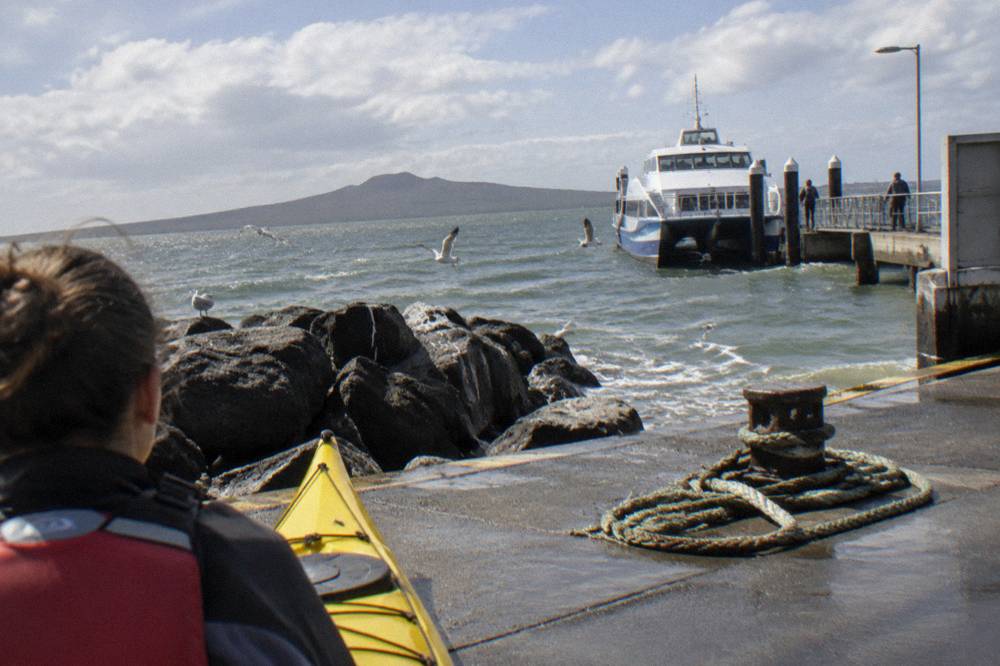
The kayak tour takes that decision away and replaces it with a schedule. Both Rangitoto kayak tours total 6 hours 30 minutes from the meeting point at 384 Tamaki Drive, St Heliers. Within that, the operator does not publish a split between paddling and land time, and this page will not guess one; what is published is the total, the included summit walk, and the fact that the sunset tour returns to St Heliers after dark with navigation lights fitted to every kayak. Participants need to be able to stay seated for up to 45 minutes at a time, per the operator's stated requirements.
Getting to the start differs too, and it eats real minutes. The kayak tours meet at the St Heliers Bay boat ramp, with arrival asked 10 minutes before the start; a free shuttle from the atrium of the Auckland War Memorial Museum departs 30 minutes before the tour, must be pre-booked and has limited seats. There is no hotel pickup on any tour covered here. A ferry passenger simply walks to Queens Wharf or Devonport. Both logistics are workable from central Auckland, but the ferry is the simpler morning.
Two practical time notes apply to the ferry side. First, ferry sailings and fares are managed by the ferry operator, not by any tour on this site, so check current timetables and prices at the source rather than relying on a travel article. Second, daylength matters for either choice: Auckland's sunset comes late in midsummer, while midwinter afternoons close early, which is why the sunset paddle exists as a product at all.
What Does The Rangitoto Kayak Tour Include That The Ferry Does Not?
Every guided Rangitoto kayak tour here includes a guide, double sea kayaks and paddling gear, the guided summit walk, and a catered meal: a BBQ dinner and hot drink on the sunset tour, a BBQ lunch on the day tour. The ferry includes none of that; it sells a seat on a boat, and everything on the island, from the walk to the food, is the passenger's own arrangement.
The inclusion gap is where the price difference lives. On the kayak side the listed inclusions are concrete: top-quality sea kayak equipment, experienced guides, small groups capped at 8, the fully catered meal, and coffee or tea. The tour handles the biosecurity requirements too, which matter more than most visitors expect. Rangitoto is pest-free, and DOC and Auckland Council require every visitor to check gear for rodents and insects, clean footwear of soil and seeds, and carry food in sealed bags rather than open supermarket bags. Rangers may recheck gear on arrival. A commercial operator holding a Pest-free Warrant, which Auckland Sea Kayaks states it does, runs that process for the group.
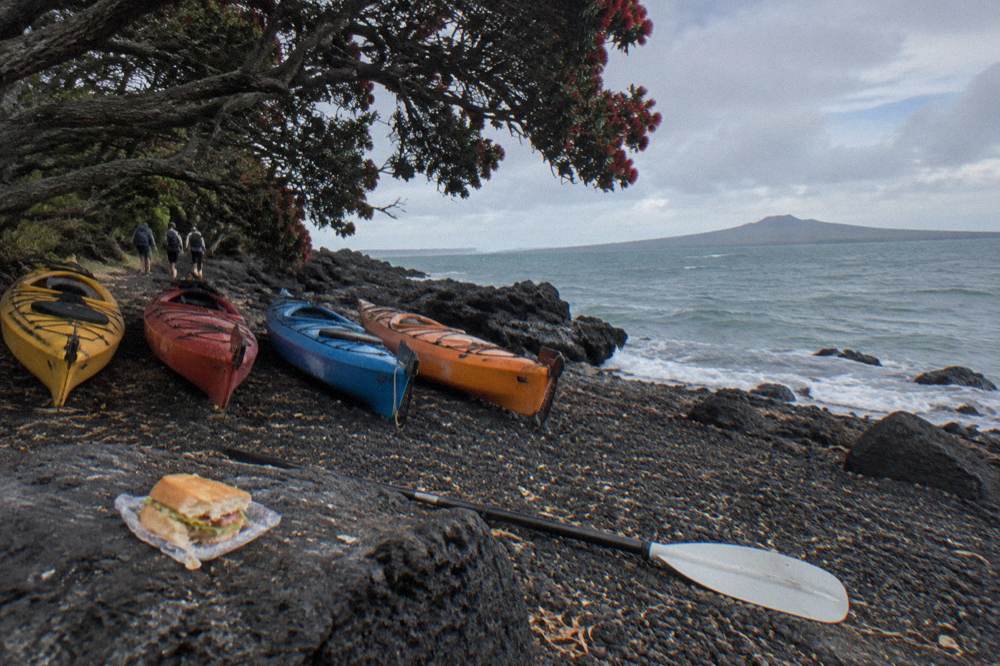
On the ferry side, the passenger does all of it. Food and water must be carried in, because there are no shops on the island. Sturdy shoes matter for the same reason on both options: the Summit Track is loose volcanic gravel with little shade, and the heat off the lava field is intense in warm months, when wasps are also more common. DOC imposes a total fire ban, forbids camping, and asks visitors to carry their rubbish out; none of that changes with your mode of arrival.
The following table lists the track options on the island itself, from DOC's published figures. It applies equally to ferry passengers and guided kayakers, but the ferry visitor relies on it more, since nobody is walking beside them.
| Track | Distance | Time (DOC) | Notes |
|---|---|---|---|
| Summit Track | 7 km return | About 2 hours return | Easy to intermediate, 250 m height gain, loose gravel, little shade |
| Lava Caves Track | 500 m one way | 15 min one way | Turnoff 45 min from the wharf; head torches supplied on the guided day tour |
| Crater Rim Track | 850 m loop | 20 min | Loop around the rim above the 60 m deep crater |
| Wilson's Park Track | 1.4 km one way | 1 hour | Shaded alternative through the forest |
One caution applies regardless of how you cross. Rangitoto and neighbouring Motutapu form one of the Hauraki Gulf's High Protection Areas under the 2025 marine protection regime. Kayaking, swimming and boating are explicitly allowed there, but fishing and taking any seafood, even by hand, is not, and the same rules bind kayakers and ferry passengers alike. The DOC Hauraki Gulf Marine Park page sets out the protected-area rules.
For a reader weighing a single booking against a self-managed ferry day, the catered sunset tour is the one that removes the most planning. The booking page describes free cancellation up to 24 hours before the start for a full refund, and the operator gives a full refund or a reschedule if weather forces a cancellation on their side. One caution on the operator's own terms: Auckland Sea Kayaks applies its own client-cancellation conditions, a refund less a 25% admin fee only when cancelling more than 48 hours before departure and no refund inside 48 hours, so read the terms on the booking page before relying on the shorter window.
Which Is Better For First-Time Visitors To Rangitoto?
For a first visit on a tight schedule or a tight budget, the ferry wins: it is faster, cheaper per head and lets you set your own pace on the tracks. For a first visit you want to remember as an event, the guided kayak tour wins, and no experience is needed, since the operator states beginners are welcome on all its kayak tours, provided you are 14 or over and 120 kg or under.
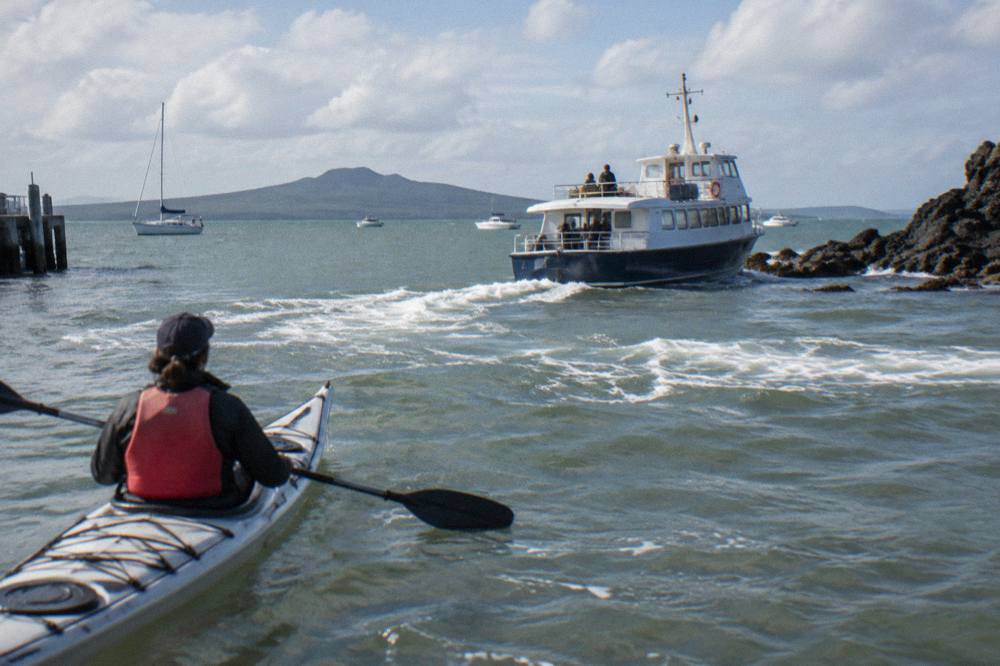
Fitness and confidence separate the two more than skill does. The ferry asks for walking fitness only, and even that is negotiable, since the lower tracks near the wharf are gentler than the summit climb. The kayak tour asks for moderate fitness: the operator describes the sunset tour as needing moderate fitness, the ability to stay seated up to 45 minutes at a stretch, and to fit a cockpit seat about 65 cm wide. Basic English is needed for safety instruction, with Spanish guides on request and Mandarin safety resources available.
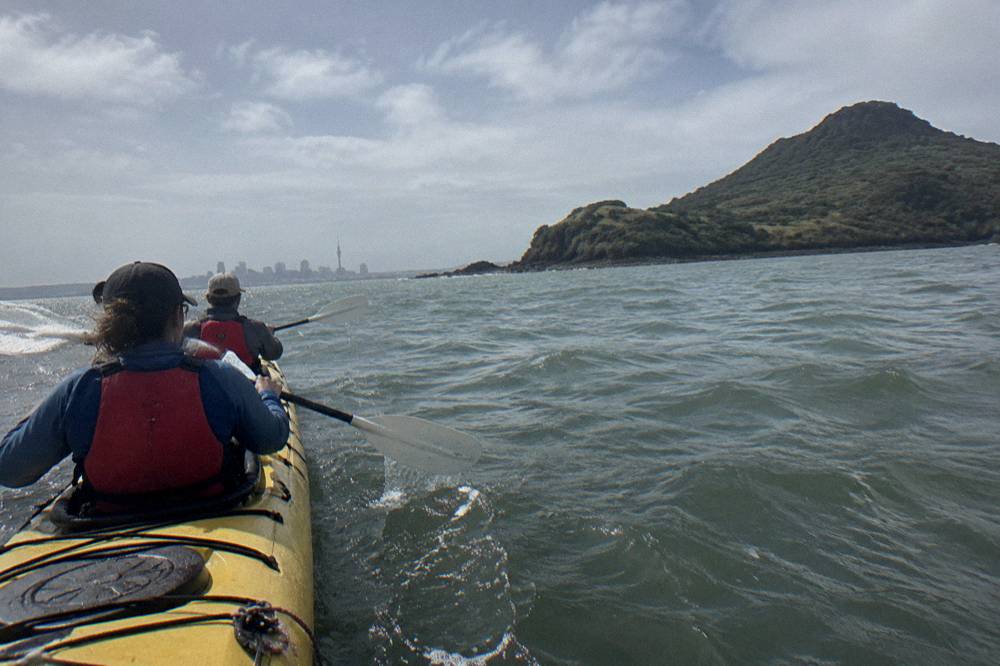
Weather cuts asymmetrically. A ferry sails in conditions that would cancel a paddle, and a cancelled ferry day is usually just a rebooked ticket. The kayak operator states it works within strict wind and sea limits, often with the final call made on the day; if conditions are unsafe it may transfer you to a sheltered harbour tour, reschedule, or issue a full refund when no alternative fits. Anyone deciding between the two in a short visit window should factor that in: the ferry is the lower-risk booking, the kayak tour is the higher-reward one. The site's guide to Auckland kayak tour weather and cancellations covers the policy detail.
A note for families: the Rangitoto kayak tours carry a minimum age of 14, which rules out younger children on both the sunset and day departures. The Browns Island half-day instead takes guests from age 12 and runs 4 hours, and the comparison of Motukorea vs Rangitoto kayak tours works through that trade-off. Ferry operators set their own child fares and policies, which change independently of anything on this site.
For visitors who want the guided paddle but not an after-dark return, the day tour is the match: the same 6 hours 30 minutes, the same summit walk and guide ratio, a BBQ lunch instead of dinner, and a daylight arrival back at St Heliers. It carries the same 4.9 rating across 83 reviews.
What Does Each Option Cost From Auckland?
The guided Rangitoto kayak tours cost from $139.16 per person, either departure, with the Motukorea alternative from $110.76 per person. The ferry's fare is set by the ferry operator and is not published here, so compare it directly at the point of booking; the honest comparison is what each dollar buys rather than a headline number against a number this page cannot verify.
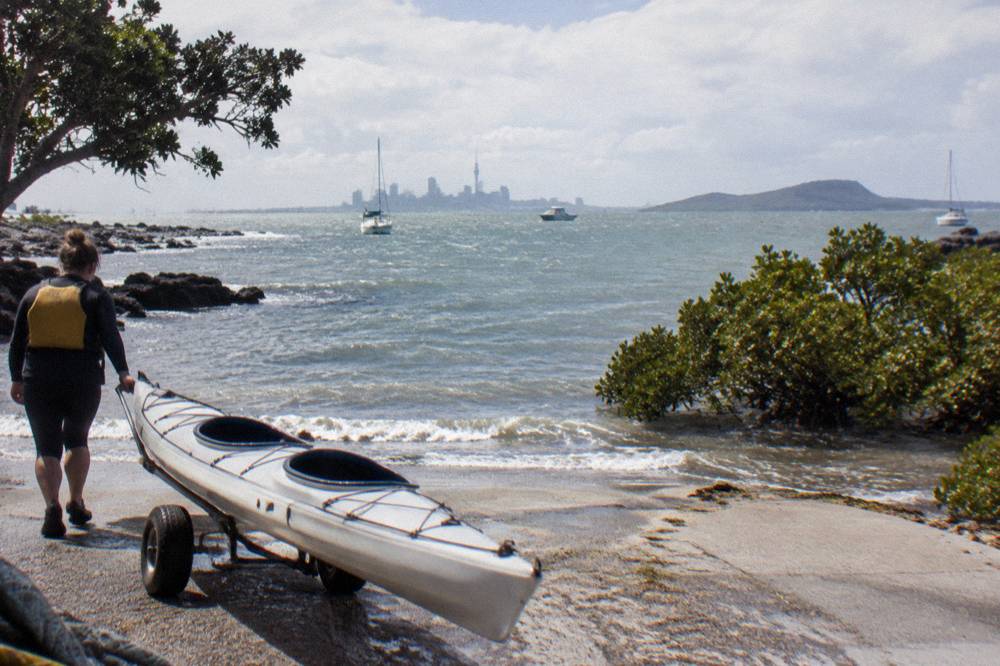
On the kayak side the figures are firm. Both Rangitoto tours start at $139.16 per person. The shorter Browns Island volcano paddle from the same operator starts at $110.76 per person. Across the 13 per-person guided tours on this site the median price sits at $83.80, which shows the Rangitoto day for what it is: the premium product, priced above most shorter paddles because of the duration, the meal and the landing. The one rental on the site, the Goat Island clear kayak hire, is priced per double kayak at from $72.13 for up to two people, a different basis again, and is not comparable to either option here.
Against the ferry, the right framing is incremental. The kayak price buys the crossing, the guide, the gear, the meal and the summit walk in one transaction. The ferry price buys the crossing only; add whatever you value your own time and food at, plus island-entry arrangements if the ferry operator applies any, checked at booking. For a couple the kayak tour is a meaningful outlay at the listed per-person price, and that arithmetic alone sends plenty of visitors to the ferry.
| Option | Price basis | From price | Total duration | Meal included | Summit walk | Guide |
|---|---|---|---|---|---|---|
| Rangitoto sunset kayak tour | per person | $139.16 | 6 hours 30 minutes | BBQ dinner and hot drink | Yes, guided | Yes, group of 8 max |
| Rangitoto day kayak tour | per person | $139.16 | 6 hours 30 minutes | BBQ lunch | Yes, guided | Yes, group of 8 max |
| Motukorea / Browns Island half-day | per person | $110.76 | 4 hours | Morning tea and refreshments | Yes, guided | Yes, group of 8 max |
| Public ferry | set by ferry operator, not published here | see operator | 25 min from Queens Wharf, 20 min from Devonport | No, no shops on island | Independent, 2 hr return per DOC | No |
One line of caution on the cheap end of the kayak market: the site's lowest per-person guided price, $62.48 for the Riverhead Tavern paddle, belongs to a brand-new listing with no reviews yet, and the lowest-priced tour with a substantial review history is the bioluminescence night paddle at from $64.03 per person, 4.9 across 327 reviews. Neither reaches Rangitoto. The guide to Auckland kayak tour prices works through the full spread.
Which Rangitoto Option Suits Your Trip?
Choose the ferry if your priority is the island itself on your own schedule, with children of any age, in marginal weather, or at the lowest cost. Choose the guided kayak tour if the crossing is the point: you want the volcano from water level, a catered summit day and a guide who handles safety and biosecurity, and you can commit 6 hours 30 minutes and moderate fitness to it.
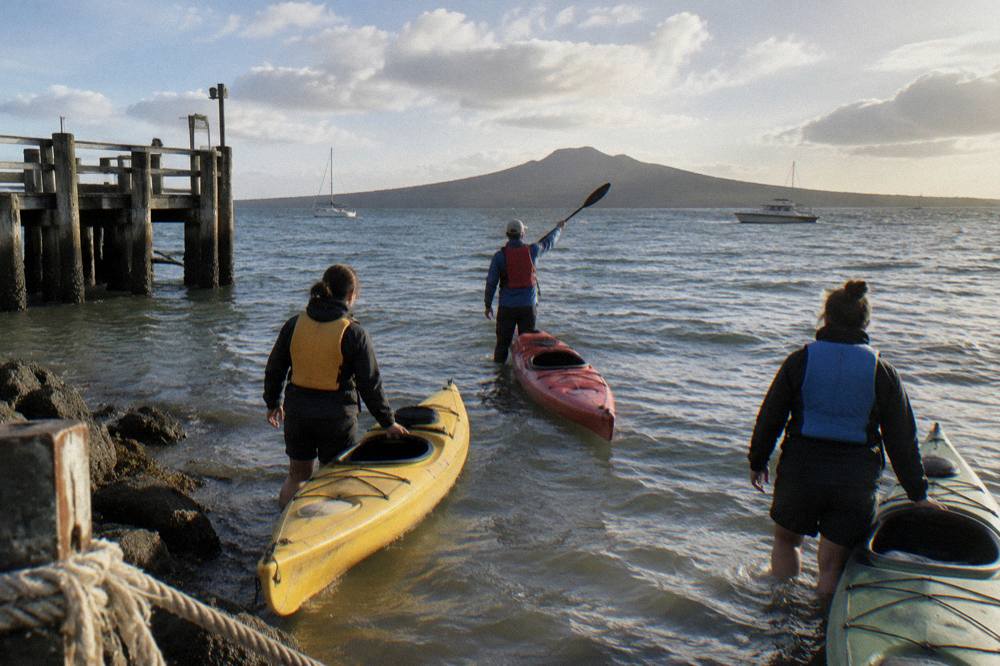
The decision usually collapses onto three honest questions. How much day do you have? The ferry can compress Rangitoto into a half-day; the kayak tour cannot. How fixed are your plans? A ferry ticket bends easily, while the kayak operator's own cancellation terms penalise late changes inside 48 hours even though the booking page advertises free cancellation up to 24 hours before. And what do you want to say afterwards? A visitor who walked the summit has done something fine; a visitor who paddled there, climbed it and ate BBQ as the light went has done something rarer.
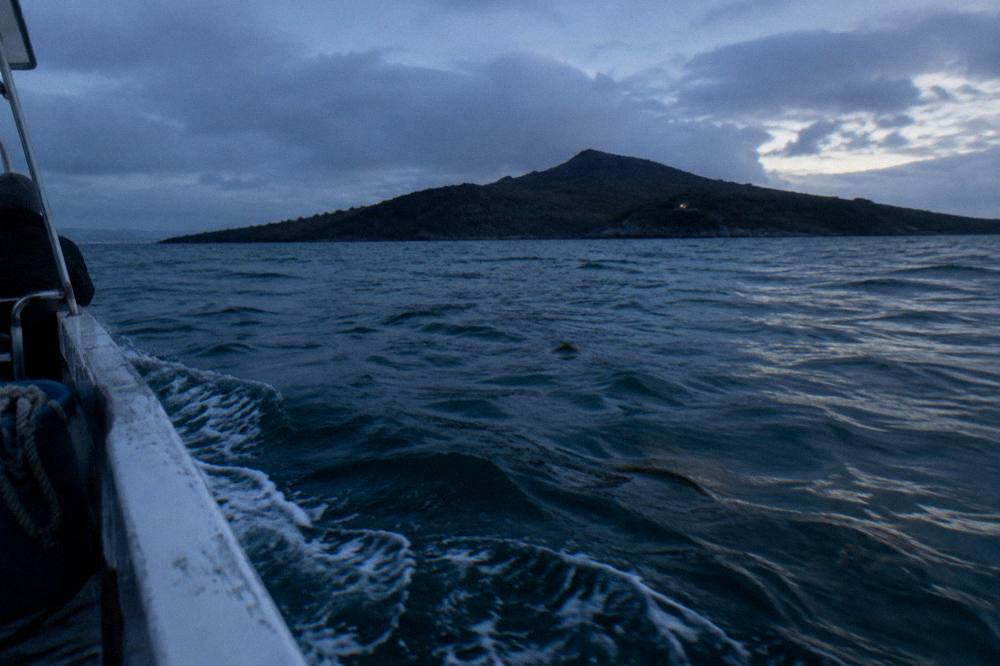
Safety framing belongs in the decision too, without drama. Since 9 October 2026, Maritime NZ requires everyone on a recreational craft of six metres or less, kayaks included, to wear a properly fitted lifejacket while underway; guided tours supply and fit them, which is one quiet argument for the guided option over any independent paddle. The Maritime NZ recreational craft page sets out the rule and the cold-water advice behind it. The ferry, of course, is a larger commercial vessel under different rules altogether.
For a fuller weighing of the two guided Rangitoto departures rather than kayak against ferry, the site's Rangitoto day kayak vs sunset kayak comparison covers meal times, light conditions and who each departure suits. And for the reader who has decided the paddle is the draw but 6.5 hours is too much, the night bioluminescence paddle below is the gentler on-water evening from the same region of operators, a 2 hour glow tour rated 4.1 across 206 reviews.
The night paddle runs 1.5 to 2 hours, from $64.03 per person, rated 4.9 across 327 reviews. The operator notes bioluminescence is never guaranteed and depends on season and conditions, so book it as a night paddle that may glow, not a glow tour.
Back at the headline choice: the sunset tour remains the fullest version of the kayak side, a 6.5-hour guided crossing, summit walk, BBQ dinner and a lit paddle home, rated 4.9 across 179 reviews. Auckland Kayak Tours keeps the full set of Rangitoto options, ferry-free and paddle-first, in one place.
Common Questions About Rangitoto Kayak Vs Ferry
What Is The Difference Between The Rangitoto Kayak And The Ferry?
The ferry is a scheduled 25-minute boat ride from Queens Wharf, after which you explore independently. The guided kayak tour is a 6 hour 30 minute guided excursion from St Heliers including gear, a guide, a summit walk and a BBQ meal, from $139.16 per person.
How Long Does Each Option Take From Auckland?
The ferry crossing takes 25 minutes from Queens Wharf or 20 minutes from Devonport, with your island time self-managed; the summit track is walked at your own pace. The guided kayak tours are fixed at 6 hours 30 minutes total.
What Does The Rangitoto Kayak Tour Include That The Ferry Does Not?
A guide, double sea kayaks and all paddling gear, the guided summit walk, and a catered meal, a BBQ dinner and hot drink on the sunset departure, a BBQ lunch on the day departure. The ferry includes the crossing only.
Which Is Better For First-Time Visitors To Rangitoto?
The ferry suits tight schedules, tight budgets, younger children and marginal weather. The kayak tour suits visitors who want the crossing itself as the experience; the operator states beginners are welcome, with a minimum age of 14 and a 120 kg weight limit.
Can You Kayak To Rangitoto Without A Tour?
DOC says Rangitoto is accessible to experienced kayakers, about two hours from the mainland, and the Rangitoto tours on this site are all guided. Independent paddling is legal but is an open-water crossing that the department frames in those same experienced-kayaker terms.
What Happens If The Kayak Tour Is Cancelled For Weather?
The operator may transfer you to a sheltered harbour tour, reschedule, or give a full refund if no alternative suits. The booking page states free cancellation up to 24 hours before, but Auckland Sea Kayaks keeps a 25% admin fee on cancellations more than 48 hours out and refunds nothing inside 48 hours, so read both before booking.