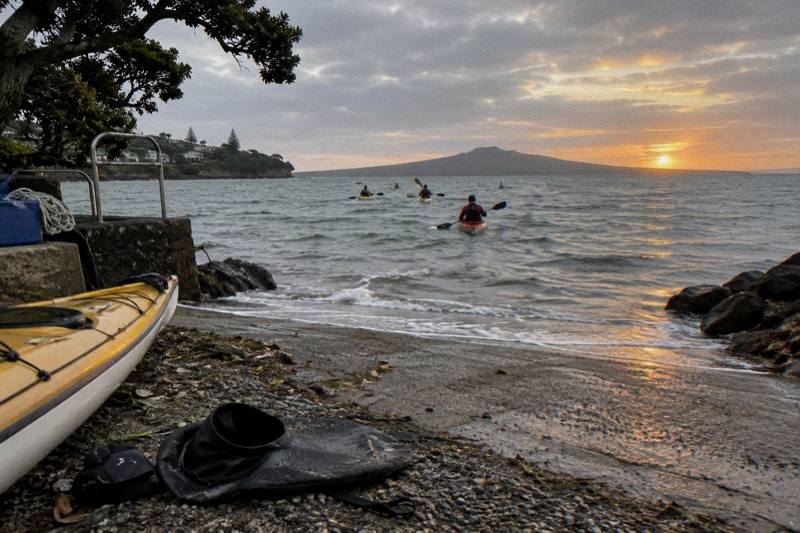
How Long Does It Take To Kayak To Rangitoto?
The guided Rangitoto kayak tours from Auckland Sea Kayaks run 6 hours 30 minutes in total, including the island visit and summit walk, with around an hour and a half on the water each way. Here is what fills that time.
In short
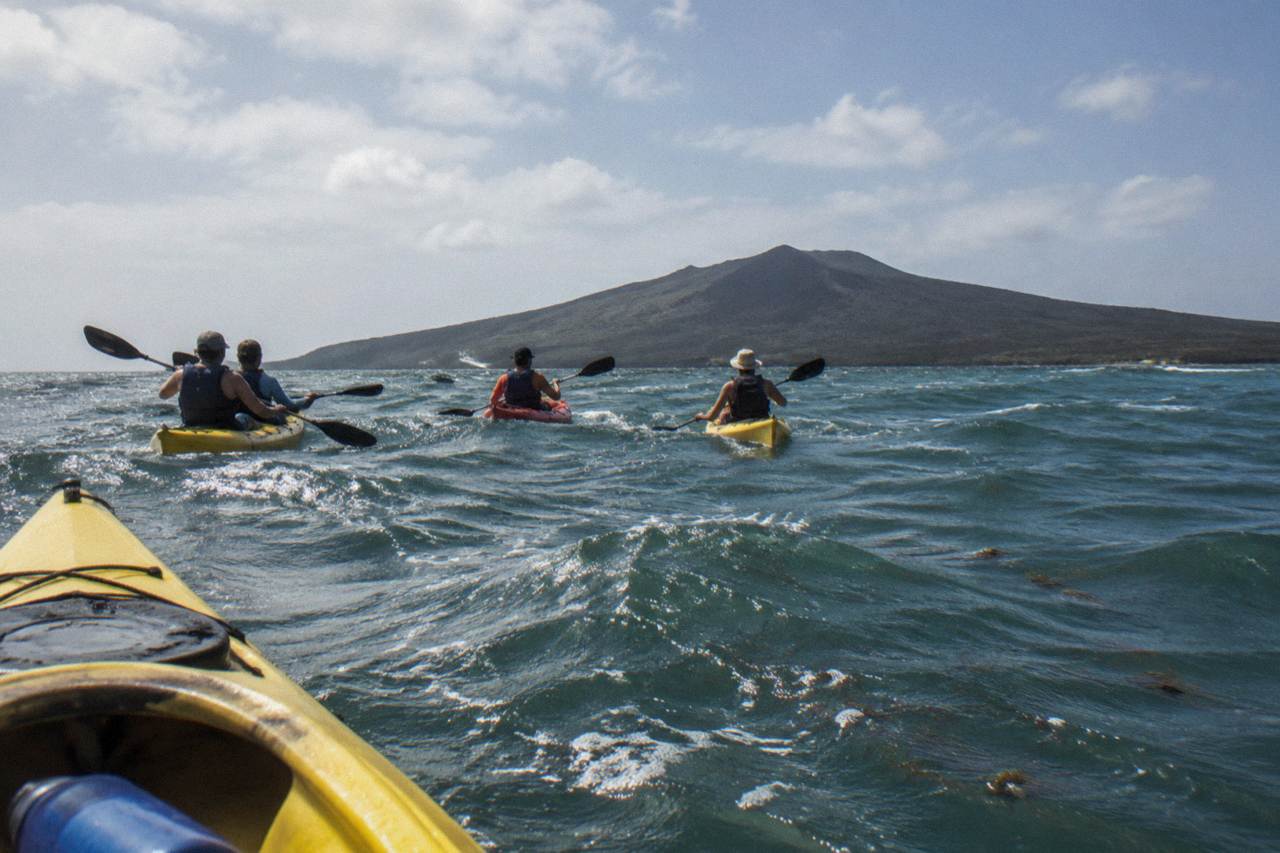
The guided Rangitoto kayak tours run 6 hours 30 minutes in total, door to door. The crossing itself takes around an hour and a half on the water each way, though the exact time varies with wind, tide and group speed, so no single figure should be treated as a promise. The full day covers the briefing at St Heliers, the paddle across, a 7 km return summit walk, a catered BBQ meal and the return leg. Plan for a full day and a genuine open-water sea kayaking trip rather than a short harbour paddle.
Rangitoto is the youngest volcano in New Zealand, emerging from the sea just 600 years ago, and it sits close enough to Auckland that guided kayak tours run to it. Before booking, there is one basic question to answer: how long does the paddle to Rangitoto take? The honest answer has two parts. The guided tours are 6 hours 30 minutes in total, door to door. The crossing itself is a long open-water leg whose time depends on conditions, group speed and direction of travel, which is why no responsible operator or guide quotes a single figure for it.
What follows is a breakdown of where those 6 hours 30 minutes go, what the Department of Conservation says about doing the crossing without a guide, and how to judge whether a Rangitoto kayak day fits your trip. The short version: budget a full day, treat the paddle as a genuine sea kayaking leg rather than a harbor jaunt, and pick the tour whose rhythm suits you.
The two guided Rangitoto tours from Auckland Sea Kayaks each run 6 hours 30 minutes, from $139.16 per person, covering the paddle across, time on the island and the summit walk. DOC describes paddling to Rangitoto independently as a trip for experienced kayakers, and no published figure for the crossing time should be treated as a promise. Plan a full day.
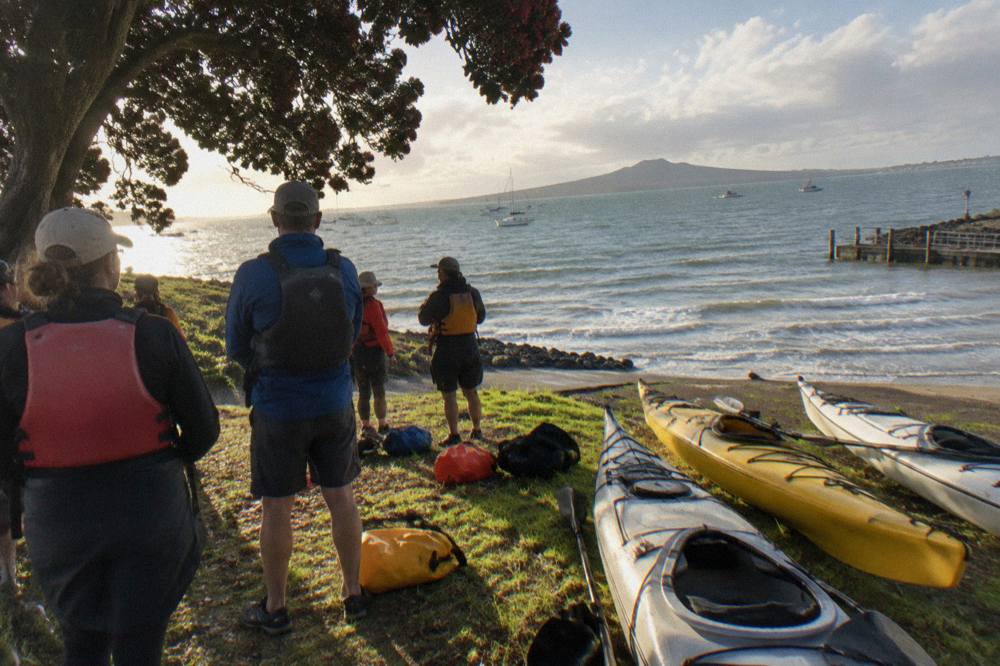
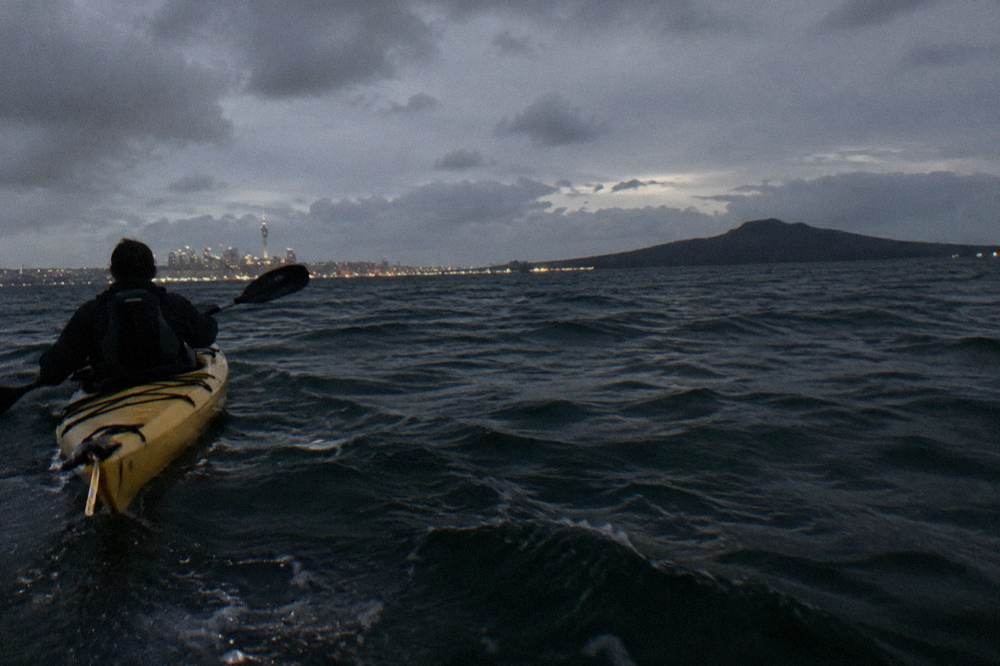
That total duration is the only time figure worth planning around, because it is the one that appears on the booking page and the one the operator commits to. The 6 hours 30 minutes covers the whole arc of the day: meeting at the St Heliers Bay boat ramp at 384 Tamaki Drive, a safety briefing and fitting out with double sea kayaks and gear, the crossing, landing, the walk up, the catered meal, and the paddle back to St Heliers. On the sunset version the return leg happens after dark, with navigation lights on every kayak.
Why not quote the crossing time? Because it varies. Wind against you or behind you, a spring tide running through the channel, a group of eight steady paddlers versus a group stopping to regroup: each changes the leg materially. Any single number, whether an hour or two, would be a guess dressed up as fact. The sunset tour runs 6 hours 30 minutes in total, with around an hour and a half on the water each way. How much of that is paddling is not mentioned, so check the booking page for how the day breaks down. That is real open-water sea kayaking, not a sheltered harbor spin, and the operator asks for moderate fitness and the ability to stay seated in a kayak seat for stretches of up to 45 minutes at a time.
For readers choosing between the two guided options, the shape of the day matters more than minutes:
| Tour | Total duration | Price (from, per person) | Rating and reviews | Meal | Summit walk |
|---|---|---|---|---|---|
| Sunset kayak tour to Rangitoto Island | 6 hours 30 minutes | $139.16 | 4.9 across 179 reviews | BBQ dinner and hot drink | Yes |
| Auckland: Day Sea Kayak Tour of Rangitoto Island | 6 hours 30 minutes | $139.16 | 4.9 across 83 reviews | BBQ lunch | Yes |
Both are guided, both use double kayaks, both carry a maximum of eight guests, and both set a minimum age of 14 with a 120 kg weight limit. The differences are the light you paddle in and the meal at the far end. A deeper comparison lives in the Rangitoto day vs sunset kayak guide, which works through the trade-off in detail.
If a 6.5 hour commitment feels like too much for your Auckland itinerary, the same operator runs shorter paddles that stay inside the Waitemata Harbour: the City Lights night tour at 2.5 hours and the City Scenes waterfront tour at 2 hours 30 minutes, both from $82.36 per person, both launching from Westhaven Marina rather than St Heliers. They are different experiences entirely, but they answer the "shorter day" need honestly.
What Fills The Six And A Half Hours Of A Rangitoto Kayak Tour?
Meeting, briefing and fitting take the first stretch at St Heliers; the crossing and return are the two longest paddling blocks; and between them sit the island landing, a guided summit walk of about 7 km return and a catered BBQ meal. Roughly half the day is on the water, half on the volcano.
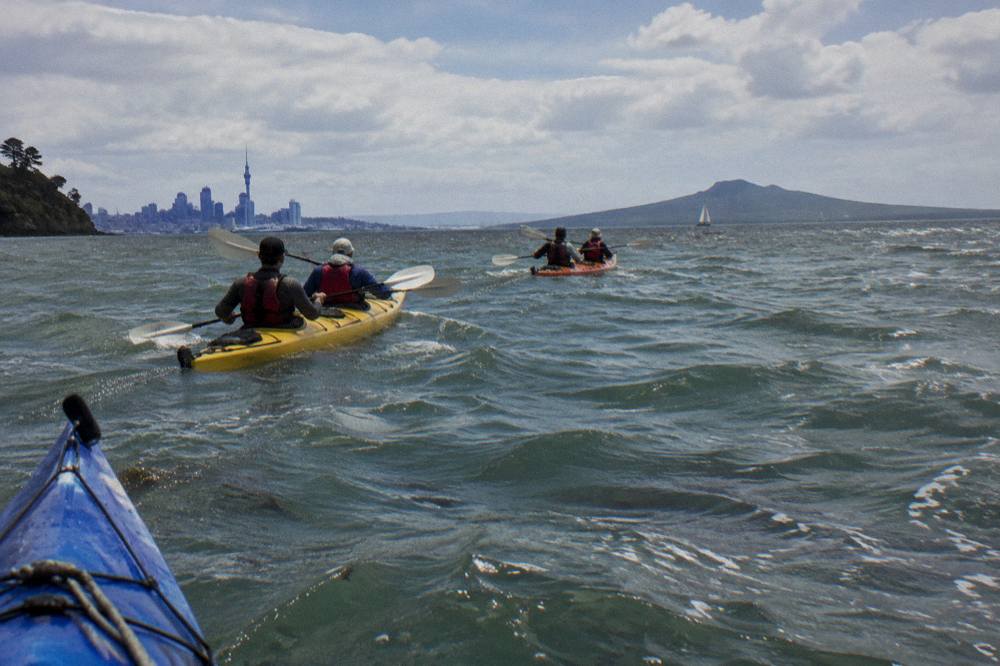
The day starts at the St Heliers Bay boat ramp, where the operator asks everyone to arrive 10 minutes early. There is free parking around St Heliers, with time limits directly outside the shops. If you are staying central without a car, Auckland Sea Kayaks runs a free shuttle from the atrium of the Auckland War Memorial Museum, departing 30 minutes before the tour. It must be pre-booked and seats are limited, and it is the closest thing to a pickup any tour here offers: no hotel pickups exist on any Auckland kayak tour.
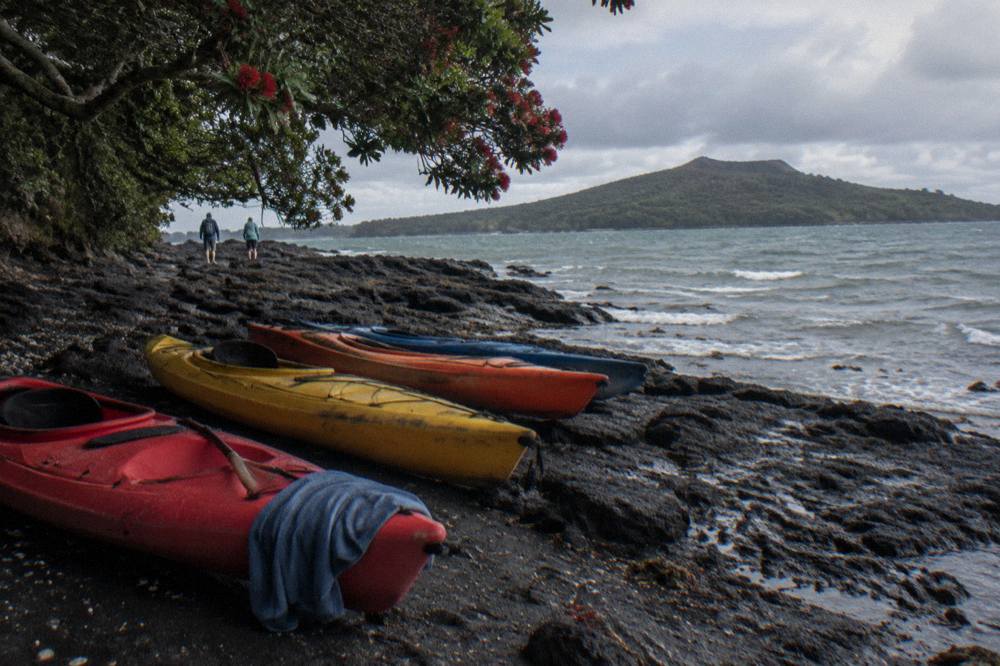
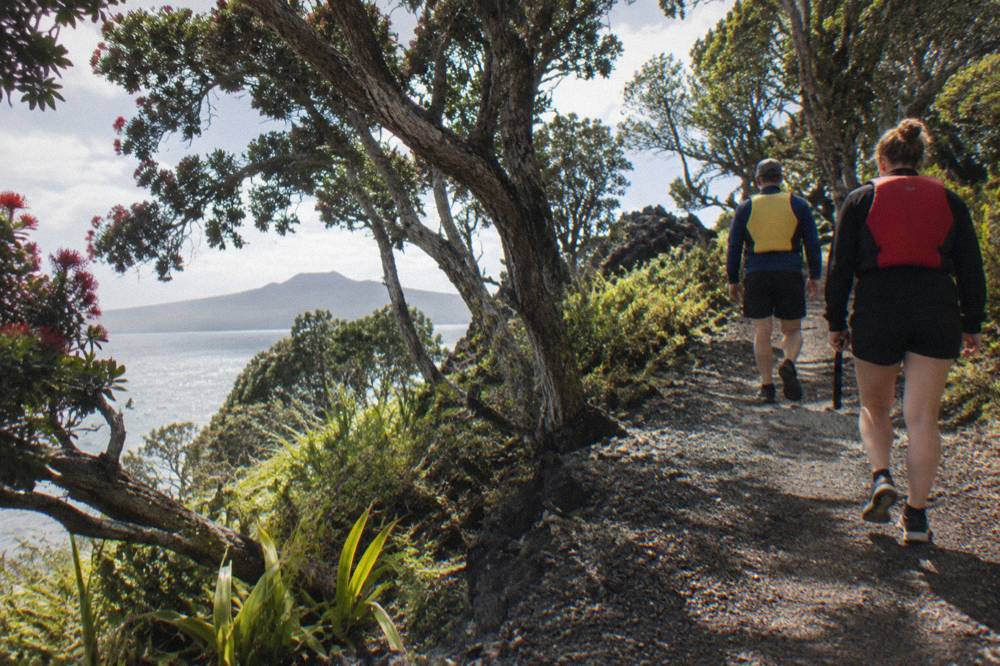
Once on the water, the crossing is the centerpiece. The operator describes the destination bluntly: Rangitoto is accessible by ferry, boat and kayak only, one of the reasons it feels so untouched. Landing is followed by the summit section. The DOC Summit Track is 7 km return from Rangitoto Wharf with about 250 m of climbing, graded easy to intermediate, over rough volcanic terrain with loose gravel and little shade. Guided groups on these tours walk a 7 km return route to the summit, and DOC allows about 2 hours return for the track. The day tours also take in the lava caves, with head torches supplied for that section on the day tour.
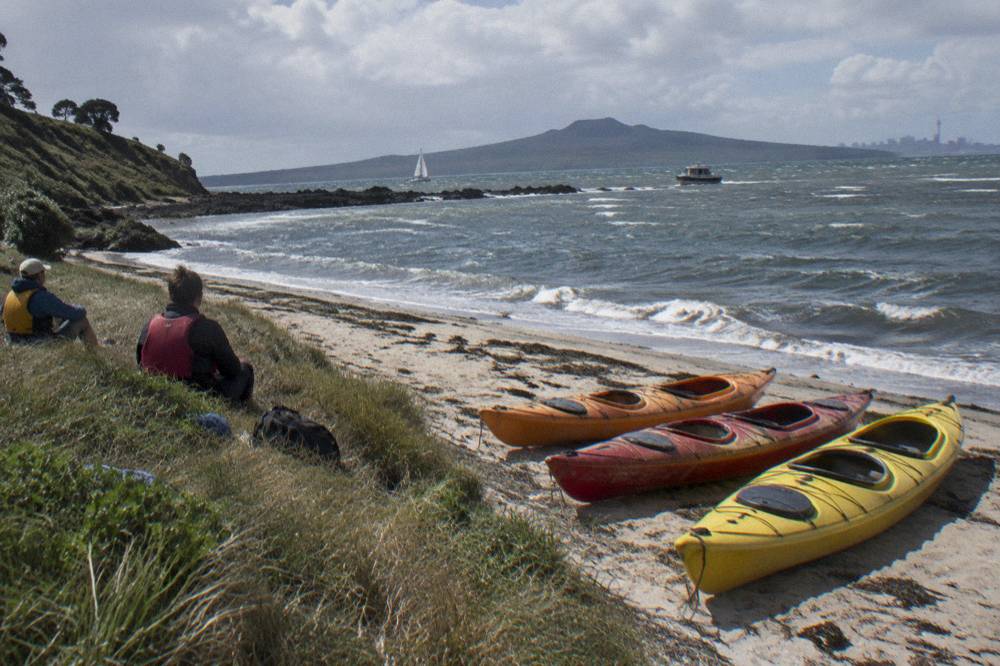
The meal is a real pause, not a snack stop. The sunset tour is fully catered with a BBQ dinner and a hot drink; the day tour with a BBQ lunch, and the operator handles dietary needs given advance notice. Then the return crossing, which on the sunset tour runs in the dark, each kayak fitted with navigation lights for the leg back to St Heliers.
For anyone weighing guided versus independent, kayaking to Rangitoto with no experience is worth reading before deciding: the guided option exists precisely because the crossing asks more of paddlers than a first-timer expects.
Can A Beginner Kayak To Rangitoto With A Guide?
Yes, in principle: both guided Rangitoto tours welcome beginners, need no prior experience, and use stable double sea kayaks with an experienced guide and all gear supplied. The bar is fitness and comfort, not skill: moderate fitness, 120 kg or under, and the ability to sit in a kayak seat for up to 45 minutes at a time.
The operator states it plainly across its tours: beginners welcome, no experience needed. The double sea kayaks do much of the stabilizing work, the guide sets the pace and picks the line, and the small group cap of eight means nobody is left paddling alone at the back. The requirements that actually filter people out are physical. Beyond the 120 kg weight limit and the seat width of about 65 cm, participants need to be able to stay seated for up to 45 minutes at a stretch, because the crossing is done in sustained legs with breaks between them. Minimum age is 14 on both Rangitoto tours.
Alcohol is not permitted on Auckland Sea Kayaks tours, and basic English is needed for safety instruction, with Spanish-speaking guides available on request and Mandarin safety resources. Disabilities are handled case by case, sometimes with tandem arrangements.
None of that changes what the crossing is. Fitness questions come up often enough that there is a full fitness guide for the Rangitoto kayak tour, and the honest summary is that a person of average fitness who exercises occasionally will manage, while a person who never does will find the return leg long. Dress for it properly too: the what to wear sea kayaking guide covers the layers that make a long day on the Gulf tolerable in any season.
What Does DOC Say About Kayaking To Rangitoto Independently?
DOC describes the independent paddle to Rangitoto as accessible to experienced kayakers, about 2 hours from the mainland, and treats it as an open-water crossing rather than a sheltered paddle. The island is pest-free and kayaking is allowed, but landing rules, biosecurity checks and a total fire ban all apply once you arrive.
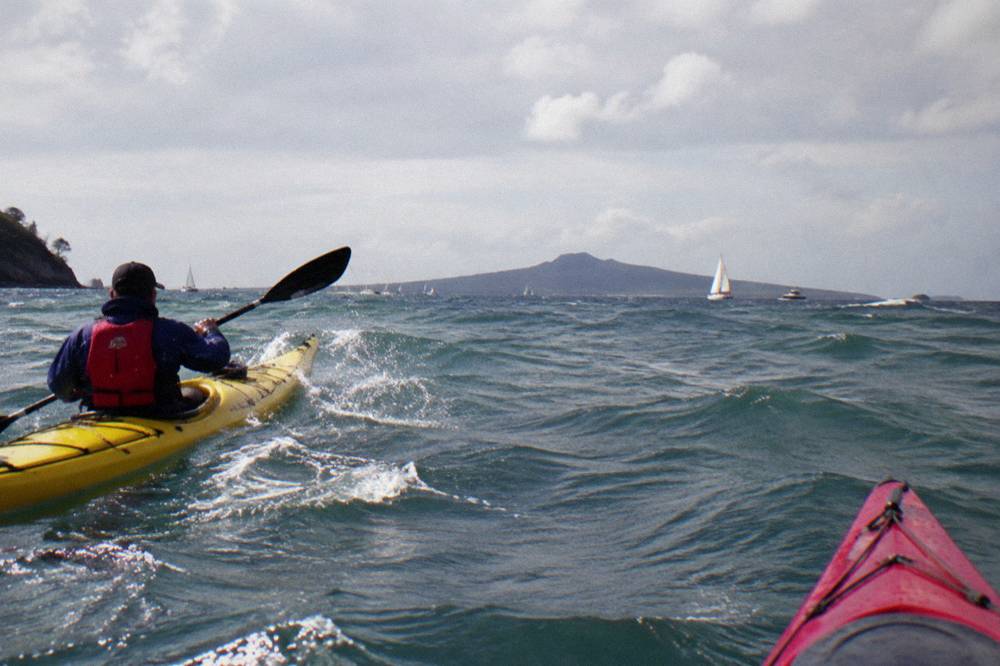
The Department of Conservation's island page keeps its language measured: Rangitoto is accessible to experienced kayakers, about two hours from the mainland. That is the government conservation authority describing the same stretch of water the guided tours cross with eight guests and a professional guide. The gap between those two framings is the whole argument for taking a guided tour if you are not an experienced sea kayaker: the guide carries the local knowledge of wind, tide lines and landing spots that an independent paddler must supply themselves.
Independent or guided, the island rules bind everyone. Rangitoto is pest-free, and the Check, Clean, Close biosecurity standard applies: check gear for rodents, insects and skinks, clean footwear of soil and seeds, and pack food in sealed bags, never open supermarket bags. Rangers may recheck gear on arrival. There is a total fire ban, no camping, no rubbish bins, no shops and no dogs. Anyone kayaking there on their own account should read the DOC Rangitoto Island page in full before setting out, and check the MetService marine forecast for the Hauraki Gulf, since conditions on an exposed crossing can differ sharply from the city forecast.
One more planning note for independent paddlers: the tide matters. Land Information New Zealand publishes Auckland tide predictions, and checking the LINZ tide tables before any open-water trip in the Gulf is standard practice among local kayakers.
How Long Is The Summit Walk Once You Land?
The Rangitoto Summit Track is 7 km return from the wharf area with about 250 m of climbing, and DOC allows about 2 hours return. The guided tours include the summit walk on exactly three trips: the Rangitoto sunset tour, the Rangitoto day tour and the Motukorea half-day.
The track is graded easy to intermediate, but the grading undersells the surface: rough, uneven volcanic terrain with loose gravel and very little shade, and DOC warns that heat radiating off the lava is intense in summer. Sturdy shoes are not a suggestion. The reward is a crater viewing platform, with the Summit Lookout 2 minutes further, and views across the Hauraki Gulf Marine Park, which spans more than 1.2 million hectares and more than 50 islands. The volcano itself is 600 years old, the youngest in New Zealand, and carries the world's largest pohutukawa forest on its flanks.
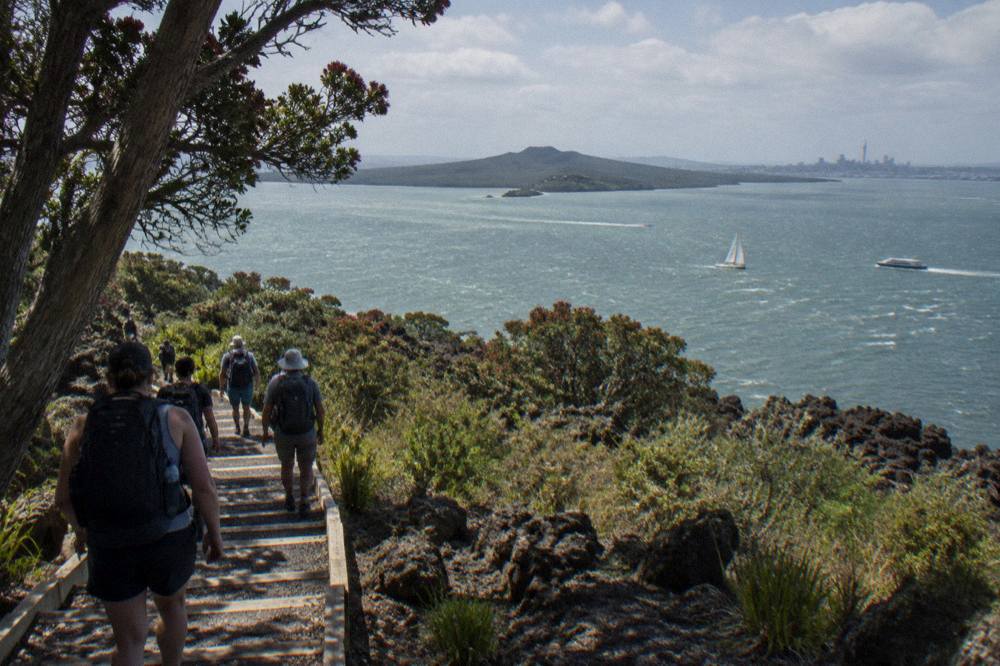
On the guided tours the summit walk is guided, catered around, and paced to the group. On the day tour, head torches are supplied for the lava caves section of the island visit, a short detour off the main track where the terrain becomes genuinely dark. Wasps are more common in the warm months, another DOC note worth taking seriously.
What Actually Changes The Time On The Water?
Wind direction, sea state, tide and group speed all move the crossing time substantially, and the operator makes the final weather call, often on the day. If conditions are unsafe, the tour is rescheduled, moved to a sheltered alternative, or fully refunded.
Auckland's prevailing southwest flow can put wind behind paddlers in one direction and square in their faces in the other, and the same tour can feel like two different trips on consecutive days. Sea state matters more than wind speed alone: a 15 knot northeasterly that has run all night stacks up a swell that a 15 knot southerly of the same strength does not. Tide runs through the channels of the Gulf, which is why the guided operators time departures rather than simply leaving on the hour. And group speed is real: a group of up to eight paddlers moves at the pace of its slowest members.
The operator's weather policy is worth understanding before booking. Auckland Sea Kayaks operates within strict wind and sea limits, with the final call often made on the day. If conditions are unsuitable, they may transfer you to a sheltered tour such as City Lights or City Scenes, reschedule you, or give a full refund if no alternative works. If the operator cancels, it is a full refund or reschedule. Client cancellations follow the operator's own terms: more than 48 hours before departure brings a refund less a 25 percent admin fee, and inside 48 hours there is no refund, while the booking page states free cancellation up to 24 hours before for a full refund. Read both before booking; the weather and cancellations guide covers the detail.
| Factor | How it changes the day | What you can do |
|---|---|---|
| Wind direction | Tailwind shortens one leg, headwind lengthens the other | Book a rest day either side if on a tight schedule |
| Sea state | Swell slows the group and raises the skill bar | Trust the operator's go or no-go call |
| Tide | A running tide helps or hinders through the channels | Guides time departures to it |
| Group speed | Eight kayaks move at the slowest pair's pace | Build shoulder and core fitness before the trip |
| Season | Daylight length changes sunset tour timings | Midsummer sunset comes late |
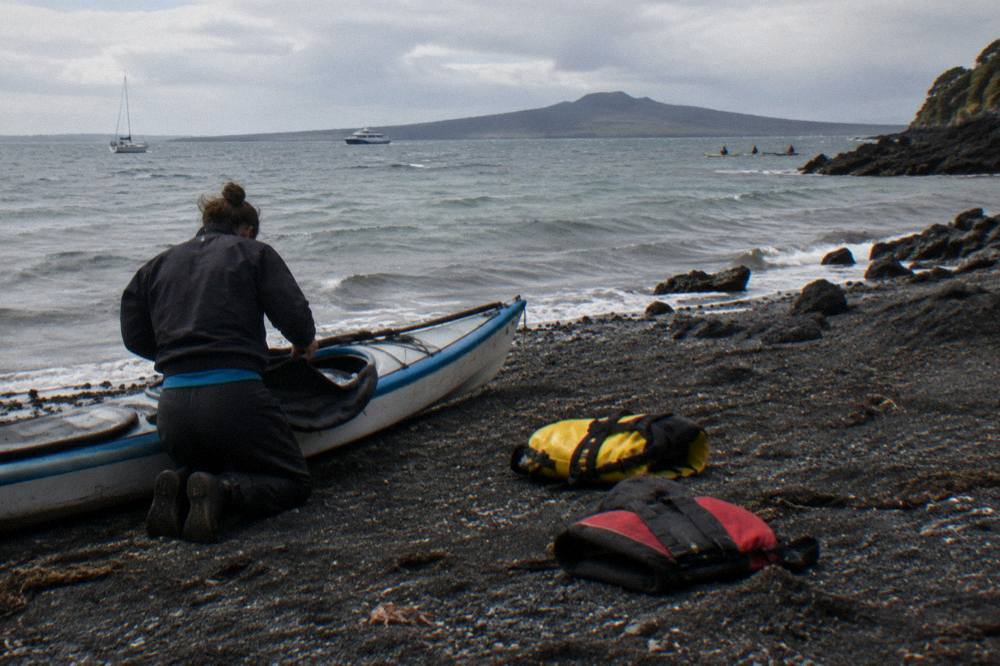
One national rule now applies to every paddle, guided or not. From 9 October 2026, Maritime NZ requires everyone on a recreational craft of six metres or less, kayaks included, to wear a properly fitted lifejacket while underway. The Maritime NZ recreational craft page states the rule. Guided tours supply and fit the lifejacket as part of the included gear, so this is one piece of logistics a guided guest never has to think about.
Is The Full Day Worth It Compared To Shorter Auckland Paddles?
Judged on time alone, Rangitoto is the biggest paddle commitment on this site's tour pages: 6 hours 30 minutes against 1.5 to 4 hours for most alternatives. Judged on what you get, it is the only Auckland kayak day that lands you on a volcano, walks you to a summit lookout and feeds you a BBQ on the island.
The comparison is not close on ambition. The night bioluminescence tour runs 1.5 to 2 hours from $64.03 per person and is the most reviewed trip covered here at 4.9 across 327 reviews. The Motukorea half-day, also from Auckland Sea Kayaks, runs 4 hours from $110.76 per person and includes its own summit walk, a shorter one, on Auckland's first island regional park; it is the highest rated tour here with 20 or more reviews at 5.0 across 38. Both are fine days. Neither is a volcano that emerged from the sea 600 years ago.
The case against Rangitoto is stamina, nothing else. If a 6.5 hour day with two open-water legs and a 7 km return walk does not sound like fun, it will not become fun partway through. The Motukorea half-day covers a similar format, guide, volcano, summit walk, at two thirds the duration, and the Motukorea vs Rangitoto comparison sets the two side by side properly.
Whether the sunset version is worth it is its own question, and one this site has answered at length, but the day tour earns its 4.9 across 83 reviews on the same bones.
Booking practicalities are straightforward if you plan ahead. Both Rangitoto tours set a minimum age of 14, a 120 kg weight limit and a group maximum of eight, and the museum shuttle must be pre-booked when you reserve. On this site, Auckland Kayak Tours exists to make exactly this kind of comparison easy: real durations, real prices and honest limits, so the day you book matches the day you can do.
Common Questions About Kayaking To Rangitoto
How Long Does It Take To Kayak To Rangitoto?
DOC describes Rangitoto as accessible to experienced kayakers, about 2 hours from the mainland. The guided tours take 6 hours 30 minutes in total, covering the crossing, island time, the summit walk and a catered meal. The crossing alone is a long open-water leg whose time varies with wind, tide and group speed, and no single figure is quoted for it. DOC calls the independent crossing a trip for experienced kayakers.
Can A Beginner Do The Rangitoto Kayak Tour?
Yes. Both guided Rangitoto tours welcome beginners with no experience, using stable double sea kayaks, a guide and all gear supplied. The requirements are physical: moderate fitness, 120 kg or under, the ability to stay seated up to 45 minutes at a time, and a minimum age of 14.
How Long Is The Walk Up Rangitoto?
The DOC Summit Track is 7 km return with about 250 m of climbing, graded easy to intermediate over rough volcanic terrain, and DOC allows about 2 hours return. The guided tours include the summit walk, with the sunset tour, day tour and Motukorea half-day the three trips that feature one.
Do You Land On Rangitoto On A Kayak Tour?
Yes, both guided Rangitoto tours land on the island, and the day is built around the landing: the summit walk, the lava caves on the day tour, and a catered BBQ meal on the island. Landing conditions are weather permitting, as with everything on this crossing.
What Happens If The Weather Is Bad?
Auckland Sea Kayaks operates within strict wind and sea limits and makes the final call, often on the day. If conditions are unsafe you may be moved to a sheltered tour, rescheduled, or fully refunded if no alternative works. Operator cancellation means a full refund or reschedule.
Is There A Shuttle To The Rangitoto Tour Start?
Yes, a free shuttle from the Auckland War Memorial Museum atrium departs 30 minutes before the tour, but it must be pre-booked and seats are limited. Otherwise, meet at the St Heliers Bay boat ramp, 384 Tamaki Drive, where free parking is available nearby. No Auckland kayak tour offers hotel pickup.